Federal Court Services in DC: Expert Litigation for Federal District Court Cases
When federal litigation matters arise, the choice of legal representation can determine the outcome of your case. Federal courts operate under distinct rules, procedures, and jurisdictional requirements that differ significantly from state court systems.
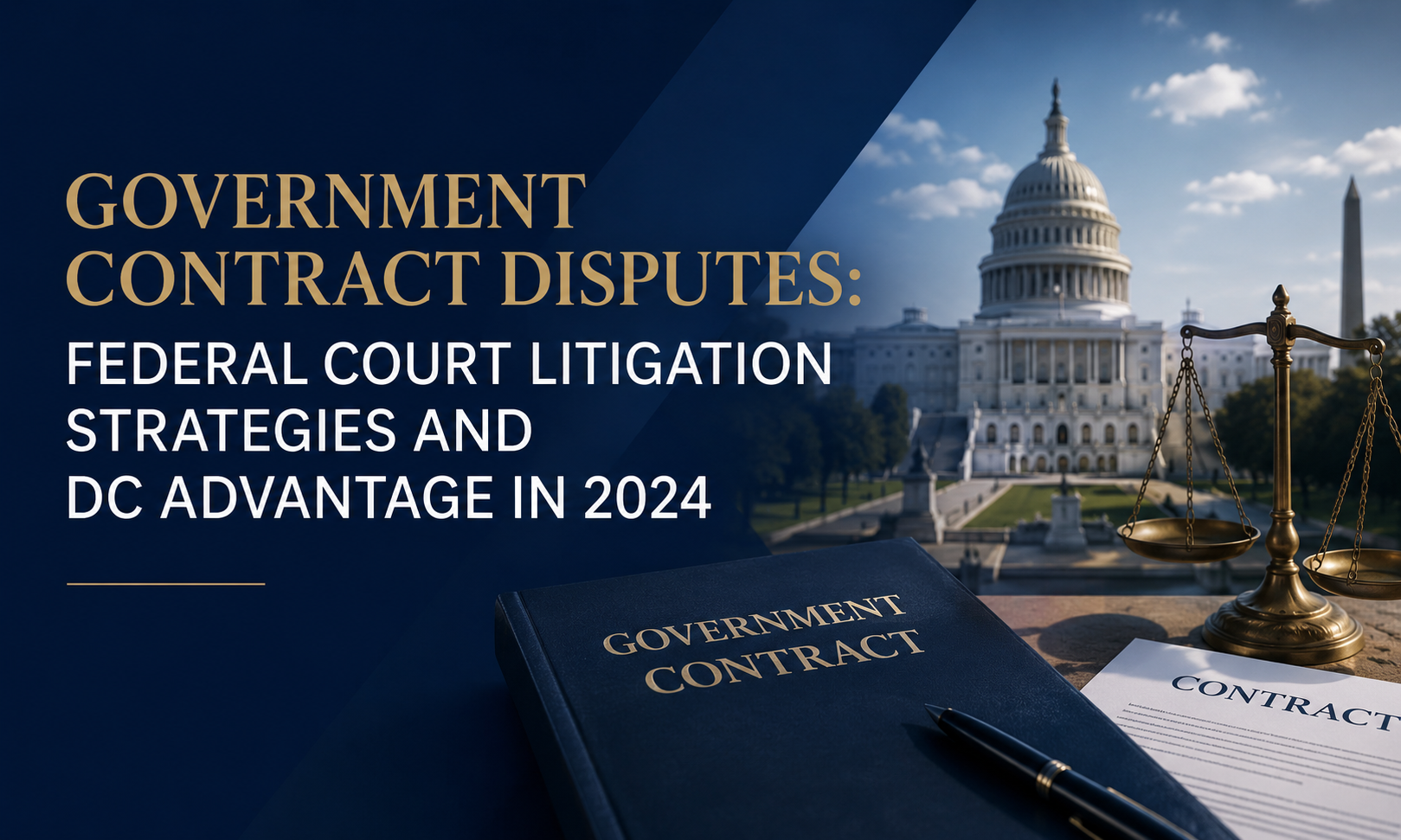
Navigating Government Contract Disputes in 2025: What Federal Contractors Need to Know
The federal contracting landscape is experiencing unprecedented changes in 2025, with new administration policies creating both opportunities and challenges for government contractors.
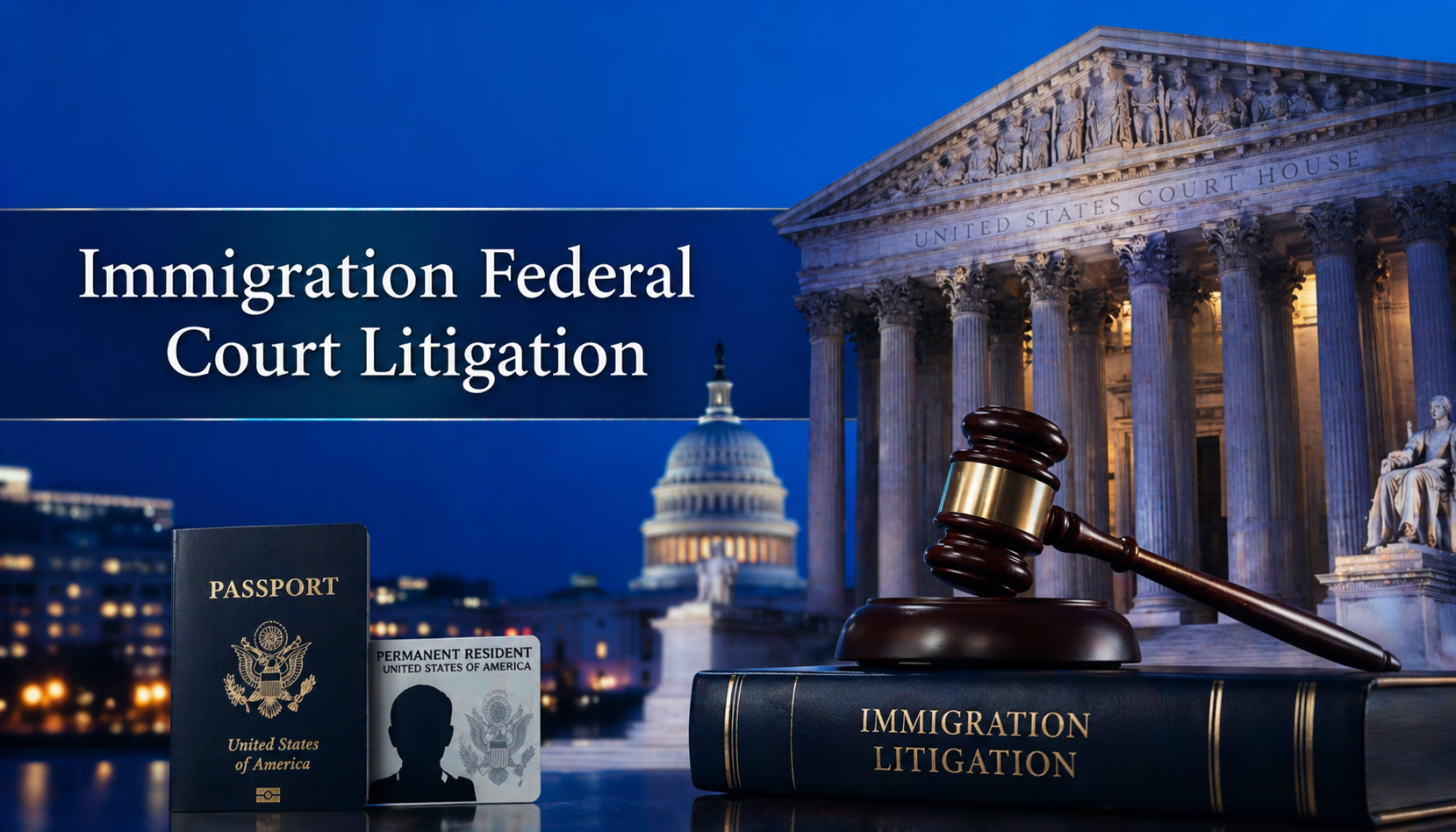
How to Sue USCIS for Delays: Complete Mandamus Guide
When a federal contractor believes a procurement was conducted improperly, two primary forums exist for challenging the award: the Government Accountability Office (GAO) and the U.S. Court of Federal Claims (COFC).
Tucker Act Claims Explained: Suing the Federal Government for Money
When a federal contractor believes a procurement was conducted improperly, two primary forums exist for challenging the award: the Government Accountability Office (GAO) and the U.S. Court of Federal Claims (COFC).
DC Pro Hac Vice Requirements: Complete 2026 Guide
When a federal contractor believes a procurement was conducted improperly, two primary forums exist for challenging the award: the Government Accountability Office (GAO) and the U.S. Court of Federal Claims (COFC).
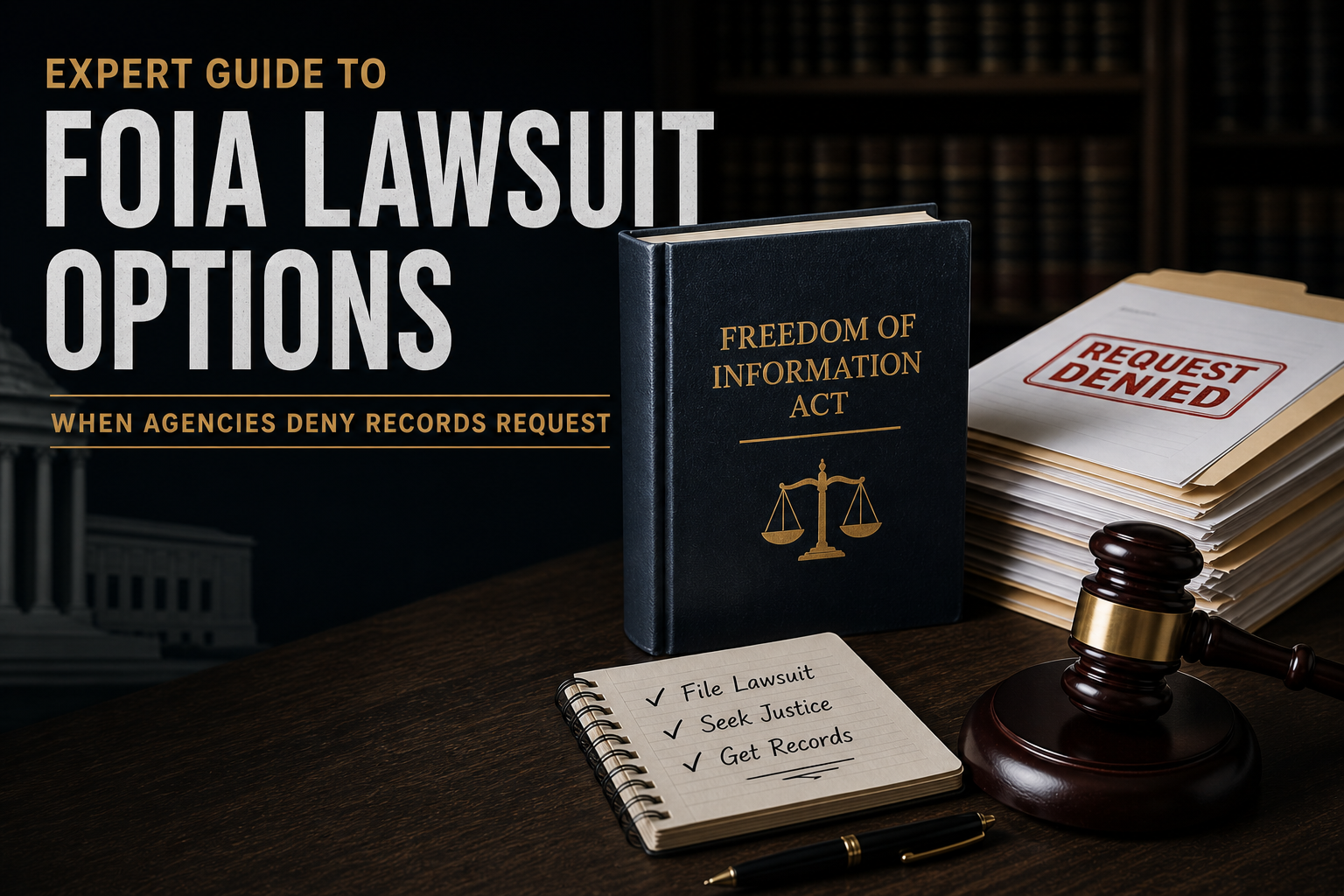
FOIA Litigation 101: When to Sue for Government Records
When a federal contractor believes a procurement was conducted improperly, two primary forums exist for challenging the award: the Government Accountability Office (GAO) and the U.S. Court of Federal Claims (COFC).
COFC vs GAO Bid Protests: Choosing Your Forum
When a federal contractor believes a procurement was conducted improperly, two primary forums exist for challenging the award: the Government Accountability Office (GAO) and the U.S. Court of Federal Claims (COFC).
8(a) Certification Denied? Your Options Explained
The SBA's 8(a) Business Development Program provides significant advantages to qualifying small businesses owned by socially and economically disadvantaged individuals. But many applications are denied.