
Federal Court Appeals: A Complete Guide to Circuit Court Appellate Litigation
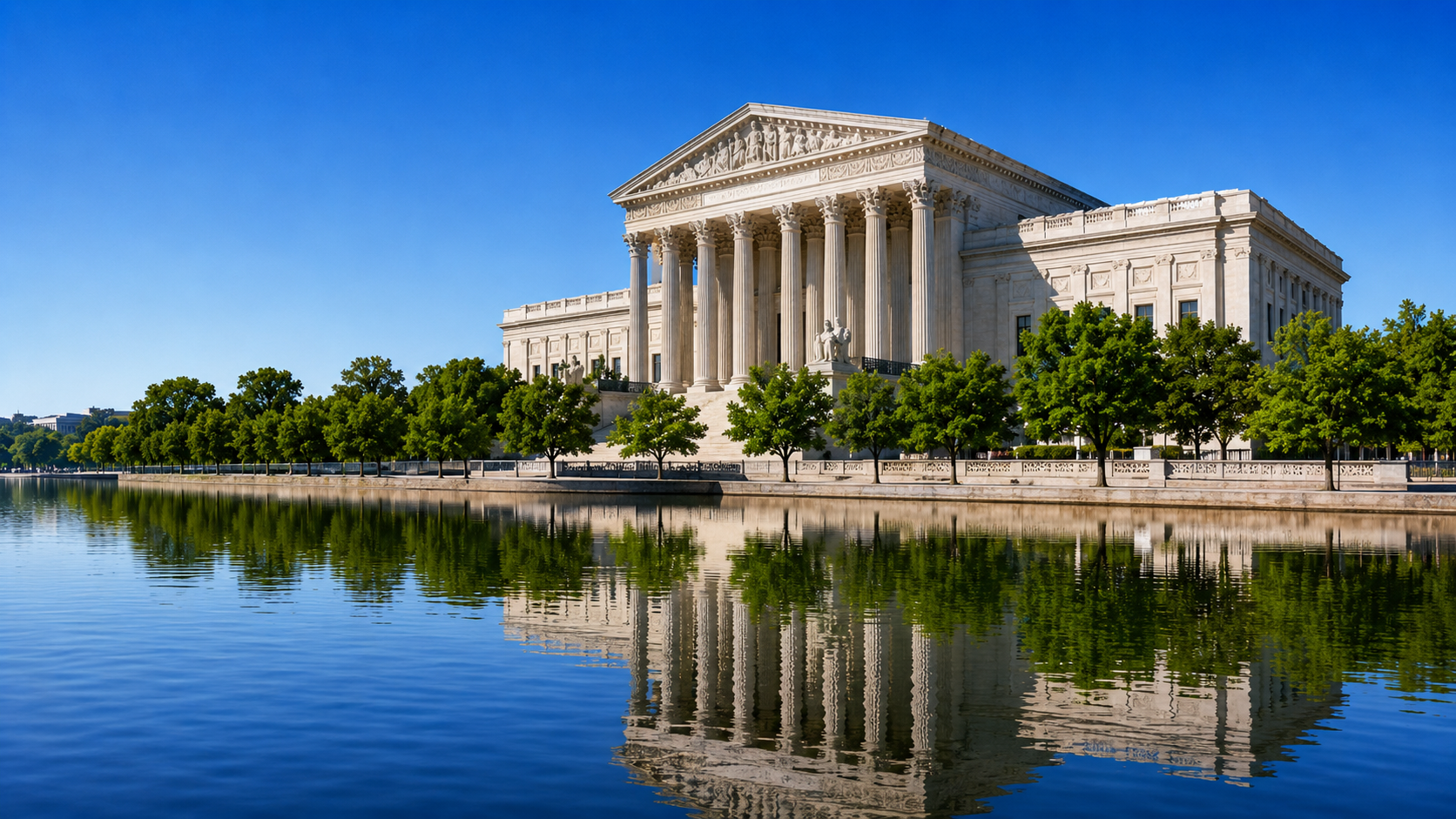
Understanding the Federal Appellate Court System
The federal appellate court system consists of 13 circuits, each with distinct procedural rules and precedential authority. The U.S. Courts of Appeals serve as intermediate appellate courts, reviewing decisions from federal district courts within their geographic boundaries, as well as appeals from federal administrative agencies.
Circuit Court Structure and Jurisdiction
The federal circuit courts are organized geographically, with the notable exception of the Federal Circuit, which has nationwide jurisdiction over specific subject matters including patent disputes, government contracts, and international trade cases. The D.C. Circuit holds particular significance due to its jurisdiction over federal agency appeals and its location in the nation's capital, making it a frequent venue for challenges to federal regulations and administrative decisions.
Each circuit maintains its own local rules supplementing the Federal Rules of Appellate Procedure. These local rules can significantly impact case presentation, briefing schedules, and oral argument procedures. For example, the D.C. Circuit's emphasis on administrative law appeals has led to specialized procedures for reviewing agency decisions that differ markedly from other circuits focused primarily on private litigation.
Types of Appeals and Appellate Jurisdiction
Federal appellate jurisdiction encompasses several categories of appeals, each with specific procedural requirements and timing constraints. Appeals as of right constitute the majority of federal appellate cases, including final judgments from district courts and certain interlocutory orders specifically made appealable by statute.
Discretionary appeals, while less common, include petitions for permission to appeal under 28 U.S.C. § 1292(b) for interlocutory orders involving controlling questions of law. These appeals require careful strategic consideration, as the likelihood of acceptance is relatively low, but successful petitions can resolve case-dispositive issues early in litigation.
Strategic Considerations in Federal Appeal Planning
Effective federal appellate practice begins long before the notice of appeal is filed. Strategic planning during trial court proceedings significantly impacts appellate success rates, from preserving issues for appeal to developing a comprehensive record that supports appellate arguments.
Issue Preservation and Record Development
The foundation of successful appellate advocacy lies in meticulous issue preservation during district court proceedings. Federal appellate courts generally review preserved legal issues de novo, while factual determinations receive deferential review under the clearly erroneous standard. Understanding these standards of review influences both trial strategy and appellate argument development.
Comprehensive record development requires anticipating potential appellate issues and ensuring that all relevant evidence, legal arguments, and procedural objections are properly presented to the trial court. This includes filing appropriate motions, making specific objections to evidentiary rulings, and requesting jury instructions that preserve legal theories for appellate review.
Timing and Procedural Compliance
Federal appellate procedure imposes strict timing requirements that can be jurisdictional in nature. The basic appeal period of 30 days from entry of judgment (60 days when the United States is a party) is fundamental, but numerous exceptions and extensions can apply depending on post-judgment motions and specific circumstances.
Recent appellate decisions have emphasized the importance of understanding when judgments become "final" for appeal purposes, particularly in complex litigation involving multiple parties or claims. The interaction between Federal Rule of Civil Procedure 54(b) certifications and appellate timing requires careful analysis to avoid procedural dismissals.
Federal Circuit Court Procedures and Requirements
Each stage of the federal appeals process involves specific procedural requirements that vary among circuits while adhering to overarching federal appellate rules. Understanding these procedures and their strategic implications is crucial for effective representation.
Notice of Appeal and Docketing
The notice of appeal serves as the jurisdictional foundation for appellate review, and defects in the notice can result in dismissal of the entire appeal. Federal Rule of Appellate Procedure 3 establishes basic requirements, but circuit-specific variations in formatting, service requirements, and local rule compliance can trap unwary practitioners.
Proper identification of appealable orders, parties, and legal issues in the notice of appeal prevents jurisdictional challenges and ensures comprehensive appellate review. In cases involving multiple judgments or complex procedural histories, careful analysis of what orders are properly before the court becomes essential.
Briefing Standards and Requirements
Federal appellate briefs must comply with detailed formatting requirements while presenting persuasive legal arguments within strict page limitations. The opening brief bears the burden of demonstrating both appealability and error in the district court's decision, requiring comprehensive legal research and strategic argument selection.
Effective appellate briefing balances legal technicality with persuasive advocacy, presenting complex legal arguments in accessible formats that enable busy appellate judges to quickly understand key issues and reasoning. This requires mastery of appellate writing techniques, including roadmap paragraphs, clear legal standards, and compelling policy arguments where appropriate.
DC Circuit Appeals: Unique Considerations and Advantages
The United States Court of Appeals for the District of Columbia Circuit occupies a unique position in the federal appellate system due to its specialized jurisdiction over federal agency appeals and its role as the primary venue for challenging federal regulations and administrative decisions.
Administrative Law Appeals Expertise
The D.C. Circuit's extensive jurisdiction over federal agency appeals creates specialized procedural requirements and substantive legal standards that differ from traditional civil appeals. Administrative law appeals often involve complex statutory interpretation questions, arbitrary and capricious review standards, and technical regulatory issues requiring subject matter expertise.
Recent developments in administrative law, including evolving standards for agency deference and statutory interpretation methodologies, make D.C. Circuit practice particularly dynamic. The circuit's decisions frequently establish precedents that influence administrative law nationwide, making strategic case presentation crucial for both individual clients and broader regulatory policy.
Government Litigation and Policy Challenges
The D.C. Circuit serves as the primary venue for challenging federal government policies and regulations, from immigration decisions to environmental regulations. Recent high-profile cases, including appeals involving military transgender service policies and federal tariff disputes, demonstrate the circuit's central role in resolving major policy questions.
The Trump administration's appeal of tariff refund orders exemplifies the complex interplay between executive policy, judicial review, and constitutional authority that frequently appears before the D.C. Circuit. These cases require attorneys to navigate not only technical legal requirements but also broader policy considerations and constitutional principles.
Appellate Advocacy and Oral Argument Strategy
Effective appellate advocacy extends beyond written briefing to encompass oral argument preparation and presentation. While not all cases receive oral argument, those that do present critical opportunities to address judicial concerns and reinforce key legal arguments.
Oral Argument Preparation and Presentation
Federal appellate oral arguments typically last 15-30 minutes per side, requiring attorneys to distill complex legal arguments into concise, persuasive presentations. Successful oral advocates prepare for intense judicial questioning while maintaining focus on their strongest arguments and most compelling legal theories.
Understanding individual judges' questioning styles, legal philosophies, and areas of expertise enables more effective oral argument preparation. This circuit-specific knowledge, combined with comprehensive case law analysis and policy argument development, creates opportunities to address judicial concerns proactively.
Managing Judicial Questions and Concerns
Appellate panels frequently use oral argument to explore legal theories, test argument boundaries, and resolve concerns about case implications. Effective advocates anticipate likely questions based on briefing exchanges, recent circuit precedents, and current legal developments.
The ability to provide direct, responsive answers while redirecting discussion toward favorable legal ground requires extensive preparation and deep understanding of both case-specific issues and broader legal principles. This skill becomes particularly important in high-stakes appeals involving novel legal questions or significant policy implications.
Post-Appeal Options and Supreme Court Consideration
Federal appellate decisions are not necessarily final, as various post-decision options exist depending on case circumstances and strategic considerations. Understanding these options and their likelihood of success enables informed decision-making about continued litigation.
Petition for Rehearing and En Banc Review
Unsuccessful appellants may seek panel rehearing or, in appropriate cases, rehearing en banc by the full circuit court. These options are granted sparingly, typically only when panels have overlooked controlling authority or when cases present questions of exceptional importance warranting full court consideration.
En banc review becomes particularly significant in circuits with frequent panel disagreements or when cases present opportunities to resolve circuit splits. The D.C. Circuit's relatively small size makes en banc review more feasible than in larger circuits, creating additional strategic considerations for high-stakes administrative law appeals.
Supreme Court Petition Strategy
Petitions for writ of certiorari to the Supreme Court require careful strategic analysis, as the Court grants review in fewer than 2% of petitioned cases. Successful petitions typically involve circuit splits, important federal questions, or cases where lower courts have conflicted with Supreme Court precedent.
The timing and presentation of certiorari petitions can significantly impact grant likelihood, particularly in rapidly evolving legal areas or cases with significant practical implications. Understanding the Court's current interests and case selection criteria enables more effective petition drafting and strategic timing decisions.
Choosing Experienced Federal Appellate Counsel
The complexity of federal appellate practice demands specialized expertise that extends beyond general litigation skills. Successful federal appeals require deep understanding of circuit-specific procedures, appellate advocacy techniques, and strategic case development from trial through potential Supreme Court review.
DC Federal Court Admission Advantage
Attorneys admitted to practice in D.C. federal courts possess a significant competitive advantage in federal appellate practice. This admission enables direct representation without the need for local counsel, streamlining communication and reducing costs while ensuring comprehensive familiarity with local procedures and judicial preferences.
DC Federal Litigation PLLC's admission to practice in D.C. federal courts provides clients with direct access to experienced appellate advocates who understand the unique demands of federal circuit practice. This advantage becomes particularly valuable in complex administrative law appeals and cases involving federal agency challenges.
Specialized Agency Litigation Experience
Federal appellate practice increasingly involves challenges to administrative agency decisions, requiring specialized knowledge of administrative law principles, agency procedures, and regulatory interpretation standards. Attorneys with extensive agency litigation experience provide valuable insights into both substantive legal requirements and procedural nuances that can determine case outcomes.
The firm's experience with mandamus actions and federal agency litigation provides clients with comprehensive appellate representation that addresses both traditional civil appeals and specialized administrative law challenges. This combination of skills ensures effective advocacy across the full spectrum of federal appellate practice.
Conclusion: Excellence in Federal Appellate Representation
Federal court appeals demand the highest levels of legal expertise, strategic thinking, and advocacy skill. From initial case assessment through potential Supreme Court review, successful appellate practice requires comprehensive understanding of federal procedure, circuit-specific requirements, and effective advocacy techniques.
The evolving landscape of federal appellate law, demonstrated by recent high-profile cases involving government policy challenges and administrative law questions, underscores the importance of experienced counsel who can navigate complex procedural requirements while developing persuasive legal arguments.
For attorneys and clients facing federal appellate challenges, partnering with experienced practitioners admitted to practice in federal court provides significant advantages in case development, procedural compliance, and advocacy effectiveness. The stakes in federal appellate litigation—often involving substantial financial exposure, important legal precedents, or fundamental rights—demand nothing less than exceptional representation.
DC Federal Litigation PLLC's combination of D.C. federal court admission, appellate expertise, and specialized agency litigation experience positions the firm to provide comprehensive federal appellate representation for clients nationwide. Contact our experienced appellate attorneys to discuss how we can help achieve your litigation objectives through effective federal court appeals practice.